THE WHY BEHIND OUR PROCESS
You simply can’t build a better home.
Environmental and Sustainability Benefits of Engineered GLT Homes:
Sustainable and Environmentally Friendly:
- Timber is a renewable resource, reducing reliance on non-renewable materials.
- Lower carbon footprint compared to other construction methods.
- Roughly 50% of the weight of wood is stored carbon.
- Exposed mass timber paneling is made from quickly replenishable resources.
- Reduced dependence on petroleum-based materials.
- Reduced VOC emissions from eliminating the need for drywall, mud, tape, trim, texture, and paint.
Reduced Carbon Footprint:
- Timber acts as a carbon sink by absorbing carbon dioxide during tree growth.
- Timber frame construction sequesters carbon and reduces greenhouse gas emissions.
Reduced Construction Waste:
- Prefabrication off-site allows for precise cutting and minimizes on-site waste.
- Timber waste can often be recycled or repurposed.
Energy Efficiency and Thermal Benefits:
Energy Efficiency:
- Natural insulating properties help regulate indoor temperature.
- Excellent thermal performance reduces heating and cooling costs.
Thermal Mass Benefits:
- Incorporates elements like stone or concrete floors to regulate indoor temperature.
- Slow heat release contributes to energy efficiency and comfortable living environment.
Health and Indoor Environment Benefits:
Health Benefits:
- Breathable walls promote healthy indoor air quality.
- Timber does not emit harmful chemicals or VOCs.
Reduced Risk of Moisture-related Issues:
- Breathable wall systems allow moisture to escape, reducing mold and condensation.
- Proper insulation and ventilation enhance moisture control.
Aesthetic and Design Benefits:
Aesthetics:
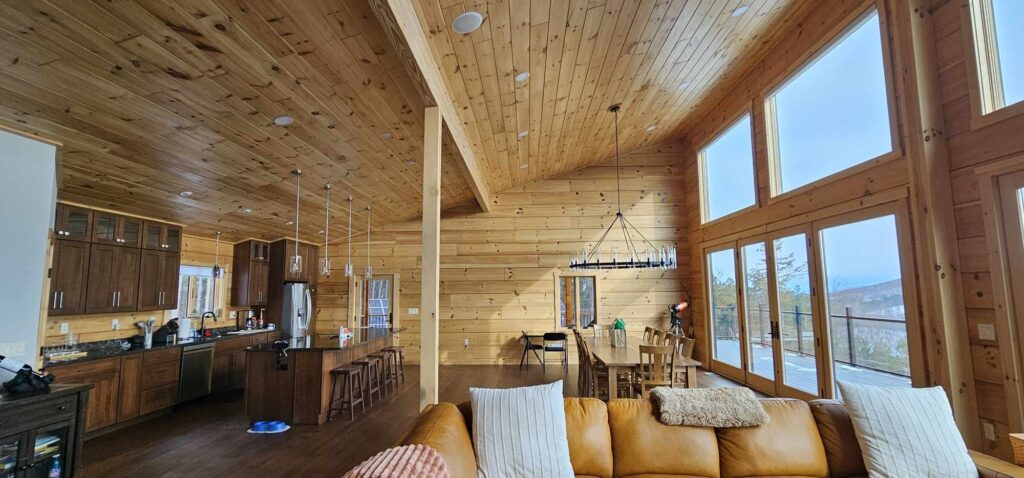
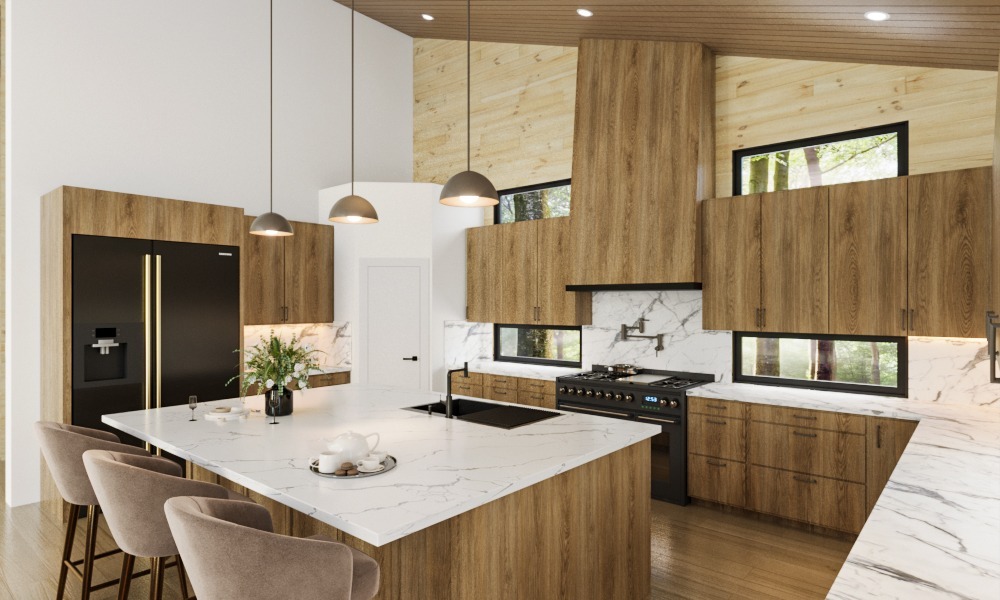
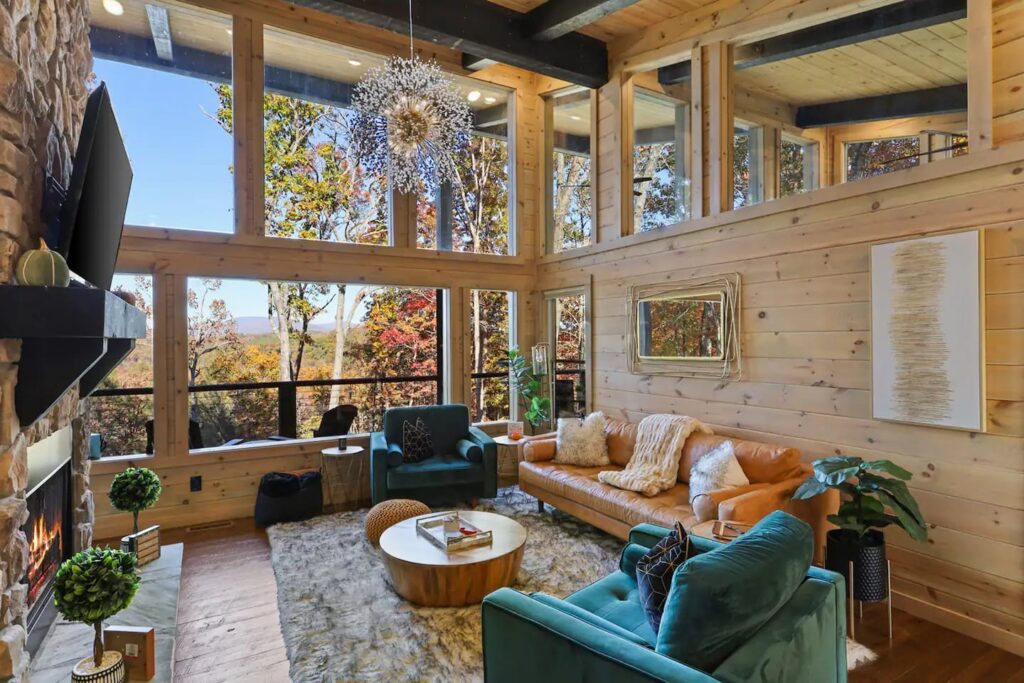
- Warm and natural aesthetic with visible timber elements.
- Adds character and charm to both interior and exterior.
Natural Beauty and Warmth:
- Visible wooden beams and posts create a sense of beauty and connection to nature.
- Natural textures and grains add unique charm to interior spaces.
Design Flexibility:
- Allows for greater design flexibility and open-plan living spaces.
- Structural integrity enables larger spans and fewer load-bearing walls.
Adaptability and Renovation:
- Ease of modification and renovation.
- Open construction allows for easier changes to layout or additions.
Construction and Durability Benefits:
Quick Construction:
- Faster construction compared to traditional methods.
- Prefabricated components allow for efficient on-site assembly, saving time and reducing costs.
Durability and Strength:
- Strong and durable building material when properly treated and maintained.
- Designed to withstand various weather conditions, including high winds and earthquakes.
Longevity:
- Long lifespan when properly constructed and maintained.
- Regular inspections and treatments preserve structural integrity.
Fire Resistance:
- Inherent fire-resistant properties compared to steel or concrete.
- Forms a charred layer that insulates and protects the inner core of the timber.
- Fire retardant dye applied during the manufacturing process.
Natural Disaster Resilience:
- Excellent resilience against natural disasters like earthquakes.
- Wood’s ability to flex and absorb energy reduces structural damage.
Additional Benefits:
Acoustic Insulation:
- Excellent acoustic properties reduce noise transmission.
- Proper insulation materials create a quieter living environment.
Ease of Maintenance:
- Ease of mechanical installation.
- No voids within walls, reducing habitats for insects, rodents, or mold.
- Envelope meets or exceeds building codes in most climatic zones.